

Welcome to The Drawdown
What This Space Is ForThere is a specific kind of silence that follows a failed platform launch. Not the dramatic kind — no one storms out of the room, no one sends the angry email. It's quieter than that. It's the silence of a Slack channel with 200 members and three posts. It's the silence of a volunteer who stopped logging in because the new system made them feel like a problem to be managed rather than a person to be trusted. It's the silence of a leader who greenlit a six-figure digital transformation and is now wondering, privately, what went wrong.
That silence is where I do my work.
There is another kind of person who finds their way here. This person isn’t standing in the wreckage of a failed rollout. Instead, they are looking at a confusing landscape of digital community solutions wondering where to start.
It’s the executive director who knows her community needs something different, who has sat through three vendor demos and walked away from all of them feeling vaguely unsettled. The volunteer coordinator who can feel the disengagement coming before it arrives, the way you can smell rain before it falls. The board member who keeps asking the right questions — are we building something people will actually use? Are we building something that will hold? — and keeps getting answers that don't quite satisfy.
These people are not behind. They are not failing. They are standing at the edge of something hard, and they haven't found language for it yet.
This is a space for all of them.
The Noise Before the Clarity
I have spent years sitting with organizations in that silence and at that edge — nonprofits, associations, faith communities, volunteer networks — organizations where the mission is real and the care is genuine, but the technology keeps arriving faster than the culture can absorb it.
Their problem isn’t a platform problem. It’s not even a budget problem. It’s a gap problem: the gap between systems, whether built or not, the people they are intended for.
I call that gap the Volatile Nexus. It's the place where the tradition of how things have always been done collides with the digital, ethical, and organizational pressures of adapting to new ways of working. It is not a comfortable place. But it is, I've found, the place where anything worth building actually begins.
What I've learned — from the failed rollouts and the ones that held, from the communities that fractured and the ones that found their footing — is that the question is almost never which platform. It is almost always what kind of community are we building, and does our infrastructure know how to hold it. That is the question worth answering before the first vendor call, before the first budget line, before the first volunteer training session. And it is a question that most organizations are never given the space to answer.
Pillar & Press Studio exists to create that space. To design the human architecture — the relational structures, the governance models, the engagement systems — that allows an organization to move through digital transformation without losing the thing that made their community worth joining in the first place. Not technology-first. Not adoption-focused. Human first. Structure first. Then tools.
The question is almost never which platform. It is almost always what kind of community are we building, and does our infrastructure know how to hold it.
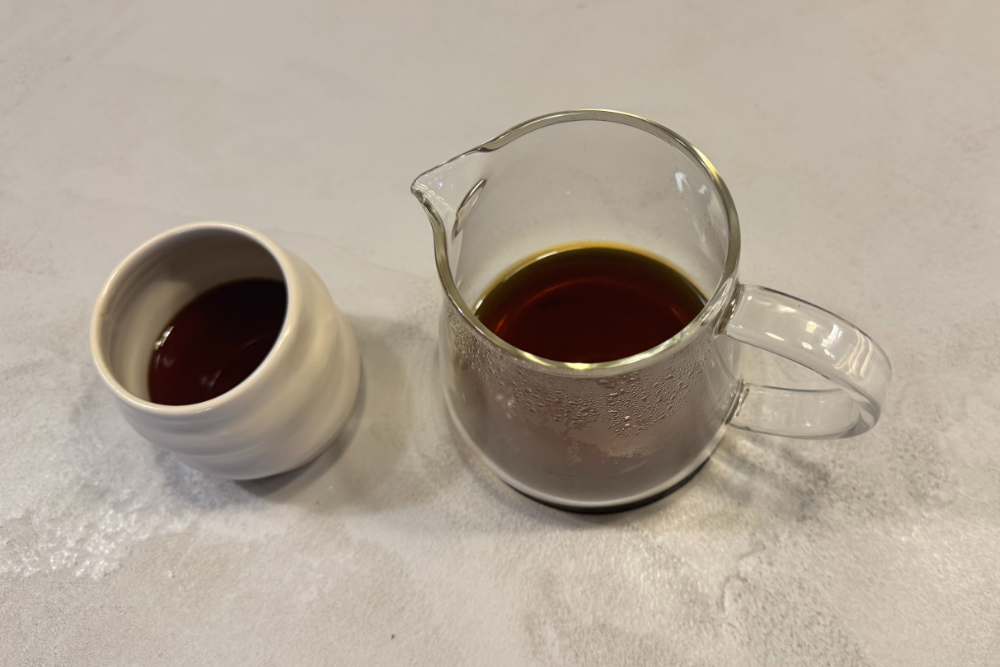
What the Pour-Over Taught Me
Around the same time I started thinking seriously about what this work required, I started paying close attention to specialty coffee. Not as a hobby, exactly — more as a practice. The practice of “dialling in” a pour-over, specifically.
When you brew pour-over coffee, there is a phase called the drawdown. It comes after the bloom, where the grounds release their pent up gases to allow the water to saturate them. It starts after the percolation, when the water does its work of passing through the coffee bed, extracting the compounds that will give the coffee its essence.
The drawdown is the moment when gravity takes over. The turbulence ends. The grounds settle. What remains in the carafe is clear, concentrated, and worth savouring.
That is the spirit of this publication.
The Drawdown is not a marketing channel. It is not a thought leadership blog in the sense that phrase has come to mean — content produced to demonstrate expertise, engineered for reach, optimized for the algorithm. It is something quieter than that. It is the phase after the turbulence. It is where I share what I actually think, having done the work of filtering. And it is, I hope, a place where the person standing at the edge of something hard can find enough clarity to take a first step.
What You Will Find Here
The Drawdown publishes two kinds of content, and both matter.
The first is the consulting track — essays, frameworks, and field notes at the intersection of technology, culture, and community. The fracture points I have seen up close. The structures that held and the ones that didn't. The models we use at Pillar & Press — the TIED Framework, the VTA Model, Substantive Simplicity — explained not as methodology but as lived practice. These are the What's Brewing posts: what is happening in the studio, what I am thinking about, what I think is worth your time whether you are mid-crisis or still mapping the terrain.
The second is the coffee track — the At the Table series. Tasting notes and reflections from the cup. The specialty producers who are solving structural problems through their craft. The intersection of patience, precision, and care that the pour-over demands, and what it keeps teaching me about the work of building human systems. These posts are shorter, more personal, and sometimes more illuminating than anything I could write directly about organizations.
Both tracks belong here. The studio was built at the intersection of rigorous thinking and genuine community building — what I call Intellectual Hospitality, the practice of turning expertise into invitation rather than authority. The Drawdown is where that intersection lives. It is for the leader in the wreckage and the leader still deciding where to lay the foundation. It is for the person who has tried everything and the person who hasn't known where to start.
A Seat at the Table
The Drawdown is not a place for hot takes or trend commentary. It is not a place where complexity gets flattened into listicles or where the hard questions get answered too quickly. It is a place where I sit down with what I know and what I'm still learning, and I think out loud, on the page, with enough care that the thinking might be useful to you.
You are here, I imagine, because something is not working — or because you can feel something beginning to slip, and you want to get ahead of it before it does. Or perhaps you are simply standing at the beginning, asking the most important question there is: where do I even start?
The answer, as it usually is, lives in the structure — not the software. It lives in the deliberate pause before the decision, the willingness to let the turbulence settle before reaching for the next tool. That is what the drawdown is. That is what this space is for.
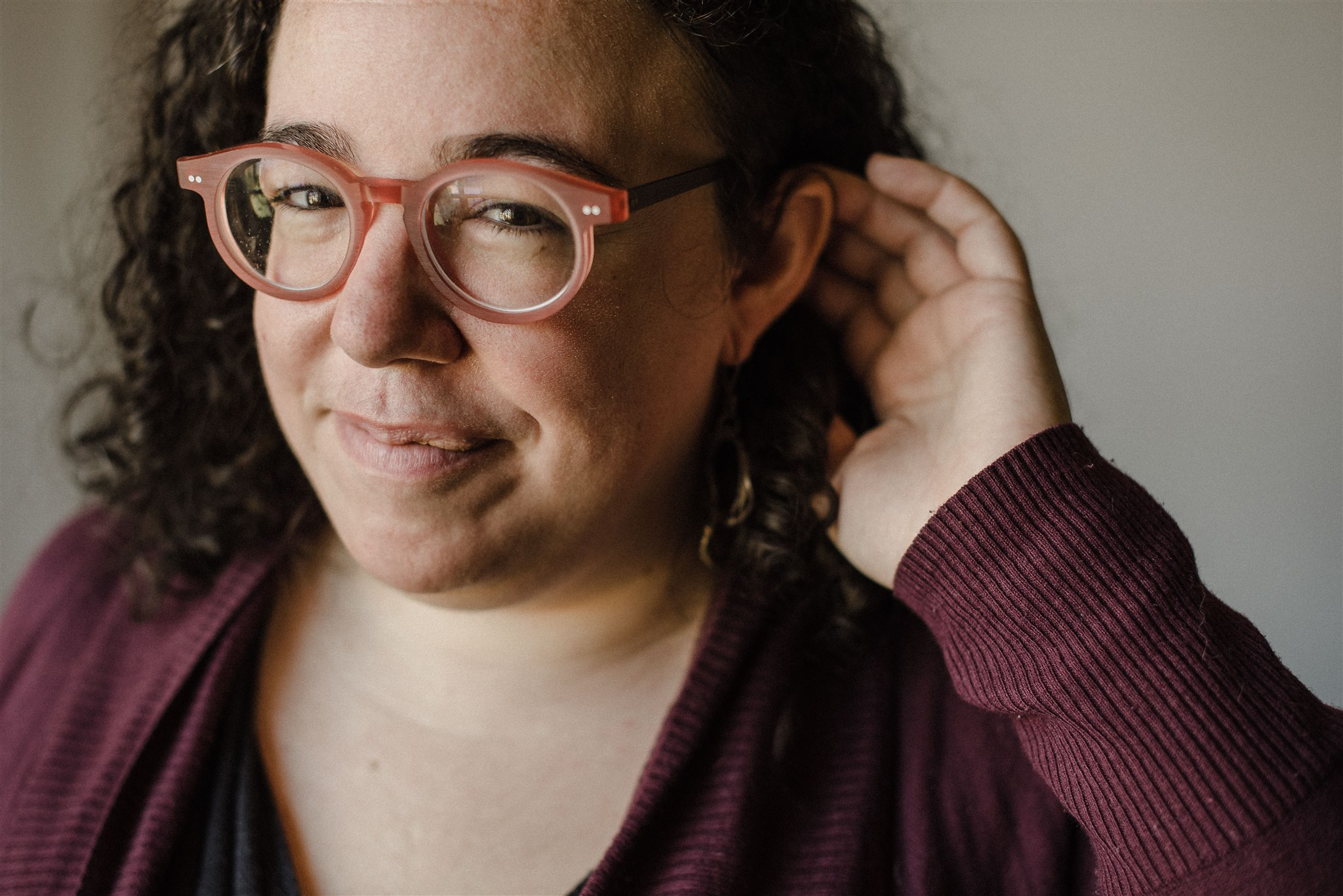
Tema Smith
Founder, Pillar & Press Studio
PHOTO: LIAT AHARONI | PERIPHERY